
Yardtally is reader-supported. Some links on this page are affiliate links. As an Amazon Associate, Yardtally earns from qualifying purchases. See our Affiliate Disclosure.
Growing peppers in containers is one of the most practical things a home gardener can do — particularly if you’re short on garden bed space, gardening on a patio or balcony, or dealing with soil that isn’t ideal for vegetables. I’ve been researching this before setting up my own container pepper garden, and the same fundamentals come up in every credible source: pot size matters more than most beginners expect, soil mix makes or breaks the harvest, and heat is the variable that controls everything. Get those three things right and container peppers outperform in-ground plants in some situations — they warm up faster, can be moved to follow the sun, and sidestep soil disease problems that affect established beds.
This guide covers everything — which varieties work best in containers, what size pot to use, the right soil mix, watering and fertilizing, and the common mistakes that lead to low production or no fruit at all.
What’s in This Guide
- Why Peppers Actually Do Well in Containers
- Best Pepper Varieties for Container Growing
- Choosing the Right Container
- The Right Soil Mix for Container Peppers
- When and How to Transplant
- Sun, Heat, and Placement
- Watering Container Peppers
- Fertilizing for a Productive Harvest
- Supporting Your Plants
- Common Problems and What Causes Them
- How to Overwinter Container Peppers
- FAQ
Why Peppers Actually Do Well in Containers
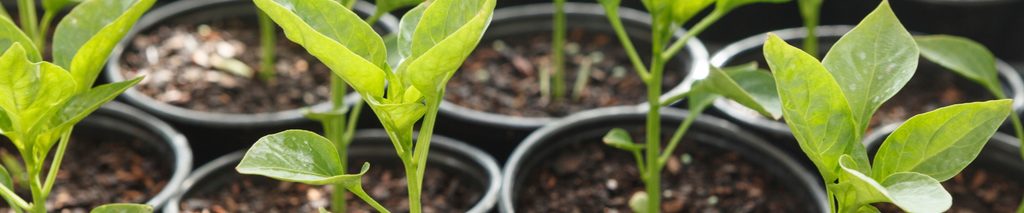
Peppers are warm-season crops that love heat — and containers deliver heat better than in-ground beds. A dark-colored pot sitting on a patio in full sun heats the root zone significantly faster than garden soil, which extends the growing season at both ends. In a short-season climate like Indiana, getting transplants into warm containers two to three weeks before the soil would be warm enough to plant in-ground can make a meaningful difference in how much fruit you harvest before first frost.
Containers also give you control over soil conditions that you don’t have in a garden bed. You choose the mix, you control the drainage, and you don’t inherit whatever compaction, clay, or disease history exists in the native soil. For a crop as particular about soil aeration as peppers, that control is a genuine advantage.
Best Pepper Varieties for Container Growing
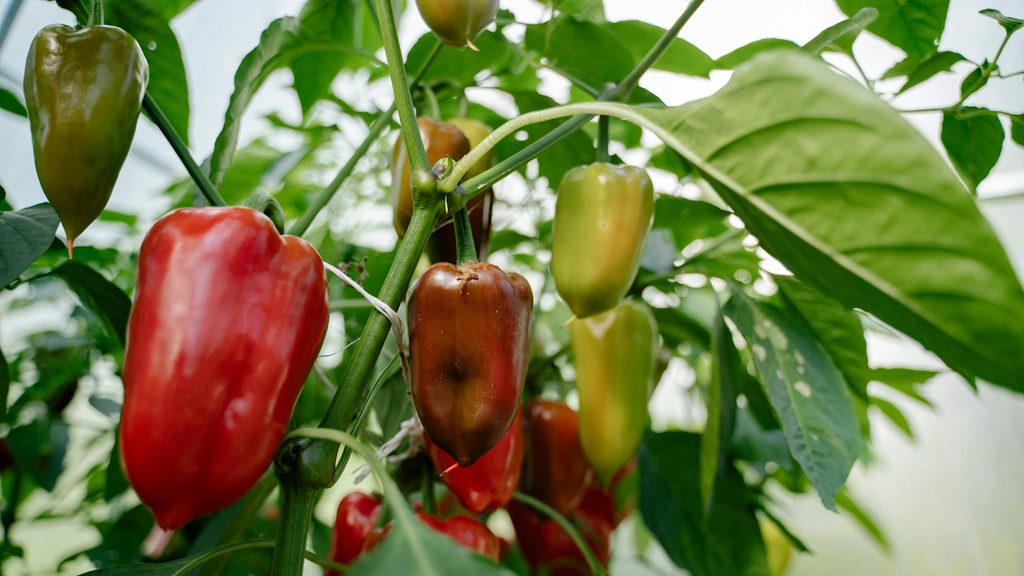
Not all peppers are equally suited to container life. The key variable is plant size — a full-sized bell pepper plant can reach 3 to 4 feet tall and needs a correspondingly large container to produce well. Compact varieties do more in less space and are the better starting point for container gardening.
Best Hot Pepper Varieties for Containers
Hot peppers are the strongest performers in containers, almost without exception. Their root systems are more compact than bell pepper types, they produce heavily relative to their size, and they’re forgiving of the moisture fluctuations that containers inevitably experience. Jalapeños are the classic choice — compact, productive, and ready in 65 to 75 days. Thai chili varieties stay small enough to grow in a 3-gallon container and produce hundreds of peppers. Cayenne and serrano are also excellent container performers.
One interesting note on heat level: peppers grown in containers with slightly restricted root space and some water stress tend to produce fruit with more concentrated heat compounds. Container jalapeños are often noticeably hotter than the same variety grown in a large garden bed with consistent irrigation.
Best Sweet Pepper Varieties for Containers
For sweet peppers, look for compact or patio varieties specifically bred for container use. Lunchbox peppers — the small, snackable orange, red, and yellow types — are excellent in containers and extremely productive. Patio Snacker is another variety bred specifically for pot culture. Full-sized bell peppers can be grown in containers but need 7 to 10 gallon pots and more consistent care to produce well — they’re a better project for someone who’s had a successful season with compact types first.
Choosing the Right Container
Container size is the variable beginners most often underestimate. A pepper plant in a too-small pot becomes root-bound, dries out rapidly, and produces minimal fruit regardless of how well you manage everything else. Here’s the sizing guide that appears consistently across credible sources:
3 gallons — minimum for compact hot pepper varieties like Thai chili or small cayenne types. Adequate but not ideal; plants will produce but root space limits overall yield.
5 gallons — the sweet spot for most hot pepper varieties (jalapeño, serrano, cayenne) and compact sweet types. This is the size to start with if you’re unsure.
7 to 10 gallons — ideal for large hot pepper varieties, full-sized bell peppers, and any plant you want to overwinter. More soil volume means more consistent moisture, more nutrients, and less stress during heat waves.
Container material matters less than size, but there are practical differences. Dark-colored plastic pots absorb heat — good for early season warmth, can overheat roots in peak summer in hot climates. Fabric grow bags breathe and air-prune roots, which prevents the circling root problems that affect plants in solid-sided containers. Terracotta dries out faster than plastic and needs more frequent watering. Any material works as long as the container has adequate drainage holes — peppers rot quickly in waterlogged soil.
The Right Soil Mix for Container Peppers
Standard potting mix from a bag is adequate, but a modified mix produces significantly better results. The goal is a medium that holds enough moisture to prevent stress between waterings but drains fast enough that roots never sit in saturated soil. Peppers are especially sensitive to both extremes — inconsistent moisture causes blossom drop and fruit problems, while waterlogged soil causes root rot quickly.
A reliable mix for container peppers: 60% premium potting mix, 25% perlite or coarse vermiculite for drainage and aeration, 15% compost or worm castings for nutrition and microbial activity. This is more perlite than most standard mixes contain — the extra aeration matters for a crop as sensitive to root conditions as peppers.
Never use native garden soil in containers. Garden soil compacts in pots, blocks drainage, and can introduce pathogens and weed seeds. Always use a container-specific mix as the base.
FoxFarm potting soil is one of the strongest commercially available options for container vegetables — it comes pre-amended with mycorrhizae and worm castings and drains well without additional perlite, though adding 10 to 15% perlite still improves aeration.
When and How to Transplant
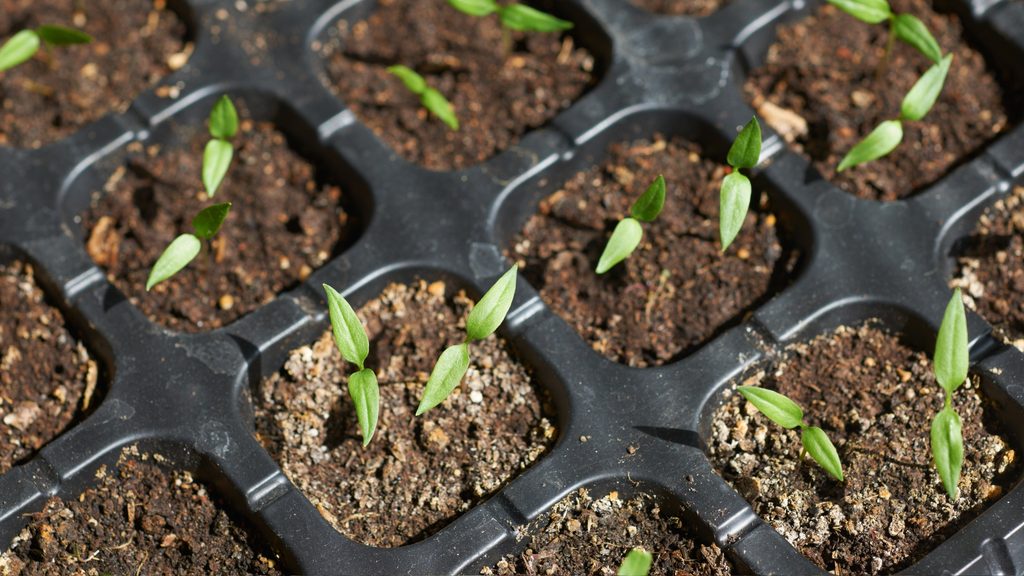
Timing is the variable beginners most often get wrong in both directions. Peppers are extremely cold-sensitive — not just to frost, but to cool soil temperatures. Transplanting into a container when nighttime temperatures are still dropping below 55°F stuns root development and sets the plant back by weeks. The soil in the container, not just the air temperature, needs to be consistently above 60°F before peppers go in.
In Indiana, that typically means late May for outdoor container planting — which feels late, but early transplants into cold containers often don’t catch up with late transplants into warm ones until midsummer. If you want to get started earlier, move containers into a sheltered spot at night, use a cloche or cold frame over them, or place them against a south-facing wall that holds heat.
Transplant at the same depth the plant was growing in its nursery pot. Unlike tomatoes — which can be buried deeper to develop additional roots along the stem — peppers don’t benefit from deep planting and can be set back by it. Firm the soil gently around the base, water thoroughly, and place in the sunniest spot available.
Sun, Heat, and Placement
Peppers need a minimum of 6 hours of direct sun daily — 8 hours produces noticeably better fruit set and faster ripening. This is non-negotiable. A pepper plant in partial shade will survive but produce minimal fruit.
The advantage of containers is that you can move them. Early in the season, a south-facing spot against a wall or fence that reflects heat back onto the plant accelerates growth. As the season progresses and days get longer, move containers to wherever sun is most consistent. Avoid placing dark containers on reflective surfaces like a light-colored concrete patio in full midday sun — soil temperatures can spike high enough to damage roots in peak heat. A light-colored saucer or a layer of mulch on the soil surface moderates this.
Watering Container Peppers
Container peppers need more frequent watering than in-ground plants — the limited soil volume dries out faster, especially in heat. In peak summer, a 5-gallon container in full sun may need water every day or every other day. The test is consistent: stick your finger an inch into the soil. If it’s dry at that depth, water. If it’s still moist, wait.
Water thoroughly each time — until water runs freely from the drainage holes — rather than giving light frequent sips that wet only the top of the pot. Shallow watering encourages shallow roots that are more vulnerable to heat stress and moisture fluctuation.
A soil moisture meter takes the guesswork out of watering container peppers — particularly useful when you have multiple containers at different stages or in different sun exposures.
One thing to watch for: pepper plants wilt slightly in the heat of the day even when well-watered — this is a normal response to transpiration stress and doesn’t mean they need water. Check in the morning before temperatures climb. If the plant is wilting in the morning when it’s still cool, it needs water. If it perks up on its own as temperatures moderate in the evening, the afternoon wilt was heat stress, not drought stress.
Fertilizing for a Productive Harvest
Container peppers deplete nutrients faster than in-ground plants because watering flushes nutrients through the limited soil volume over time. A feeding routine is essential for sustained production.
The fertilizing approach changes through the season based on what the plant needs at each stage. Early in the season — from transplant through the first month of growth — a balanced fertilizer supports leaf and stem development. Once the plant starts flowering, switch to a fertilizer lower in nitrogen and higher in potassium and phosphorus. High nitrogen after flowering pushes vegetative growth at the expense of fruit set — the plant keeps growing leaves instead of setting peppers.
A practical approach: start with a slow-release granular fertilizer worked into the soil at planting time for steady baseline nutrition. Supplement with a liquid fertilizer every two weeks once flowering begins, switching to a bloom-focused formula at that point.
Dr. Earth Organic Tomato, Vegetable & Herb Fertilizer works well for container peppers — it’s formulated for fruiting vegetables, contains beneficial microbes, and is appropriate for both the vegetative and fruiting phases.
Supporting Your Plants
Most hot pepper varieties stay compact enough that staking isn’t necessary. Bell peppers and larger varieties — particularly when loaded with fruit — benefit from a stake or small cage to keep the main stem from breaking under the weight of a heavy harvest.
A simple bamboo stake tied loosely to the main stem handles most container pepper support needs. Avoid tying too tightly — the stem needs some movement to develop strength. For larger varieties, a tomato cage set over the container at planting time is the easiest hands-off support solution.
Common Problems and What Causes Them
Flowers Dropping Without Setting Fruit
Blossom drop is the most common production problem with container peppers. The causes are almost always environmental: temperatures above 90°F or below 55°F at night during flowering, inconsistent watering, or too much nitrogen in the fertilizer. Peppers won’t set fruit reliably when stressed. The fix is addressing the environmental condition — provide shade cloth during extreme heat events, keep watering consistent, and switch to a lower-nitrogen fertilizer once flowers appear.
Slow or No Fruit Ripening
Green peppers take time to ripen to their final color — most varieties take 2 to 3 weeks to go from green to red, orange, or yellow after reaching full size. If peppers are staying green and not ripening, the most common cause is insufficient heat or approaching end of season. Moving containers to the warmest spot available and removing any flowers that won’t have time to produce mature fruit before frost redirects the plant’s energy into ripening what’s already on it.
Yellowing Leaves
Yellow leaves on a container pepper usually indicate one of three things: overwatering (the most common cause), nitrogen deficiency from nutrients being flushed out, or a pH problem affecting nutrient uptake. Check the soil moisture first — if the soil is consistently wet, let it dry out more between waterings. If the soil is draining well, a feeding with a balanced fertilizer usually resolves yellowing from nutrient depletion.
How to Overwinter Container Peppers
One underrated advantage of container peppers is the ability to overwinter them indoors and get a head start on the following season. Pepper plants are perennials in their native climate — in frost-free zones, they live and produce for several years. Bringing containers inside before first frost, cutting the plant back by about half, and keeping it in a cool but frost-free location (a garage or basement near a window works) allows the plant to go semi-dormant over winter and resume growth in spring.
An overwintered pepper plant that survived its first year has an established root system that new transplants don’t. It typically produces fruit two to three weeks earlier in its second season and often outproduces a new plant by a significant margin. The process is straightforward enough to be worth trying — the worst outcome is losing the plant over winter, which puts you back where you started with a new transplant.
For a companion approach to your container pepper garden, our companion planting guide covers which plants help peppers thrive and which to keep away from them.
If you’re growing peppers alongside tomatoes in containers or raised beds, our guide on how to grow tomatoes from seed covers the indoor starting process that applies equally well to peppers.
Frequently Asked Questions About Growing Peppers in Containers
What size container is best for growing peppers?
5 gallons is the sweet spot for most hot pepper varieties — jalapeño, serrano, cayenne, and compact sweet types. Compact hot peppers like Thai chili can manage in a 3-gallon container. Full-sized bell peppers need 7 to 10 gallons to produce well. The most common mistake is starting with a pot that’s too small — a root-bound pepper plant in a 1 or 2 gallon pot will survive but produce very little fruit regardless of how well you manage everything else.
Why are my container pepper flowers falling off?
Blossom drop is almost always an environmental stress response. The most common causes are temperatures above 90°F or below 55°F at night during flowering, inconsistent watering, or too much nitrogen fertilizer once flowers appear. Peppers won’t set fruit when stressed. Address the environmental condition first — provide shade cloth during heat events, keep watering consistent, and switch to a lower-nitrogen bloom fertilizer once flowering starts.
How often should I water container peppers?
In peak summer heat, a 5-gallon container in full sun may need water every day or every other day. The reliable test is to stick your finger an inch into the soil — if it’s dry at that depth, water. If it’s still moist, wait. Water thoroughly each time until water runs freely from the drainage holes rather than giving light frequent waterings that only wet the top of the pot. A soil moisture meter removes the guesswork entirely.
Can peppers stay in containers year-round?
In frost-free climates, yes. In Indiana and similar Zone 6 climates, container peppers can be overwintered indoors — bring them inside before first frost, cut the plant back by about half, and keep in a cool but frost-free location with some light. The plant goes semi-dormant and resumes growth in spring, typically producing fruit two to three weeks earlier than a new transplant would.
Do container peppers need full sun?
Yes — a minimum of 6 hours of direct sun daily, with 8 hours producing noticeably better fruit set and faster ripening. A pepper plant in partial shade will survive but produce minimal fruit. The advantage of containers is the ability to move them to follow the sun as the season progresses — use that mobility to maximize sun exposure, especially early in the season when sun angles are lower.