
Yardtally is reader-supported. Some links on this page are affiliate links. As an Amazon Associate, Yardtally earns from qualifying purchases. See our Affiliate Disclosure.
Use this free fence calculator to find out exactly how many posts, panels, and concrete bags your project needs — before you head to the store. Choose your material type, enter your yard dimensions one side at a time, and add gate openings if your fence includes them. The calculator adjusts post spacing, panel count, and concrete requirements based on whether you’re building with wood, vinyl, or chain link.
Fence Calculator
Enter your yard dimensions to get post count, panel count, and concrete bags.
Standard 8 ft panels · Posts every 8 ft
Enter the length of each side of your yard. Add as many sides as your yard has — most yards have 4, but irregular lots may have more.
Please enter at least two side lengths to calculate.
What You’ll Need to Set Your Fence Posts
Once you know your post count and concrete bags, here’s what to grab before you start digging.
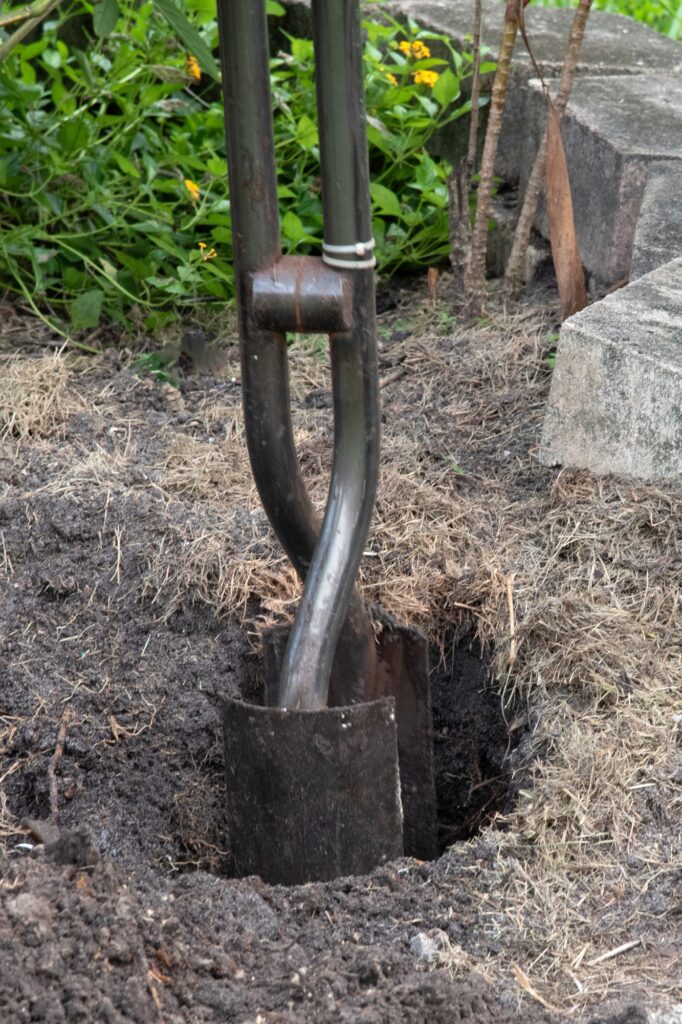
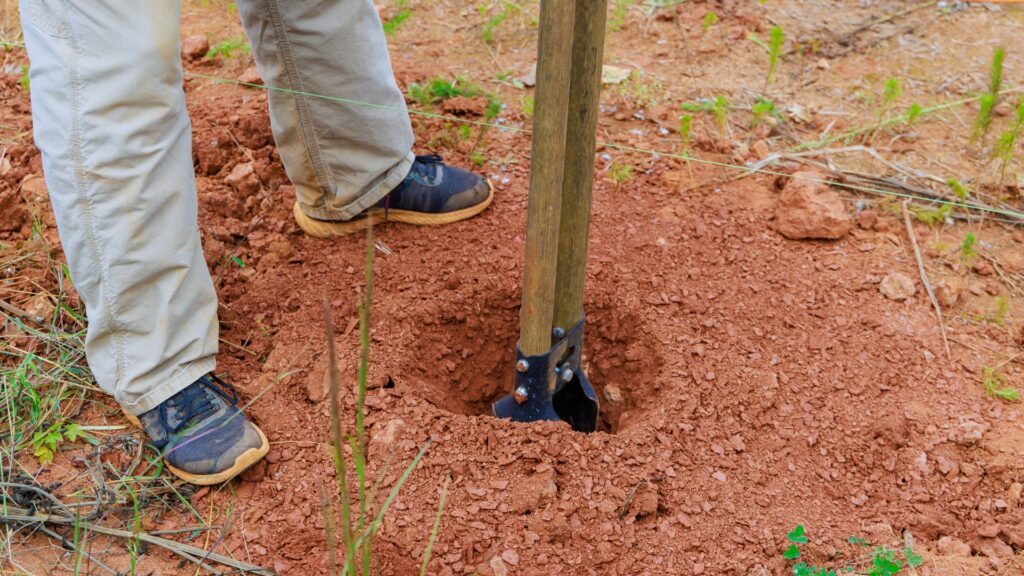
A manual post hole digger handles most residential fence projects without renting equipment — the clamshell style gives you clean, round holes at the right diameter. For anything over 20 posts, consider renting a power auger instead.
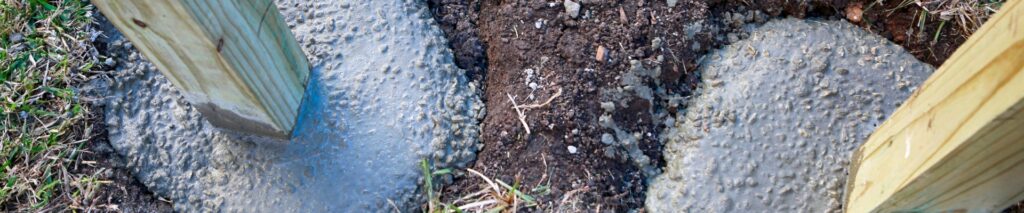
For concrete, Quikrete Fast-Setting Concrete Mix is the go-to for fence posts — you pour it dry into the hole, add water, and it sets in 20 to 40 minutes without mixing. No wheelbarrow needed for small jobs.
For larger projects, a 20-gallon concrete mixing tub keeps the mess contained, or step up to a handheld electric cement mixer if you’re setting a full perimeter.
Before the concrete sets, use a post level to confirm the post is plumb on all four sides — it clips onto the post hands-free so you can adjust and pour at the same time. A crooked post at this stage means a crooked fence forever.
For a more detailed look at exactly how much concrete each individual post needs, run your numbers through our concrete per fence post calculator — it accounts for hole diameter, depth, and bag size.
If you’re adding gravel around post bases or along the fence line for drainage, our gravel calculator will tell you exactly how many tons or cubic yards to order.
Planning hardscape beyond the fence? Our guide on how to fix a sinking patio covers base problems that affect any outdoor structure set in the ground.