
Yardtally is reader-supported. Some links on this page are affiliate links. As an Amazon Associate, Yardtally earns from qualifying purchases. See our Affiliate Disclosure.
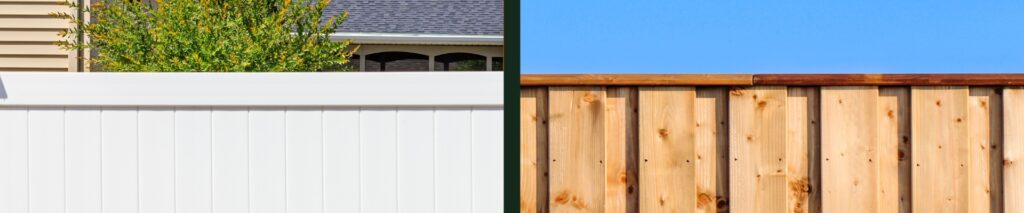
When I was researching wood fence vs vinyl fence for my yard, I kept running into articles that made it sound like one was obviously better than the other. The truth is neither one wins across the board — it depends on what you actually care about: upfront cost, long-term maintenance, looks, or how long you plan to stay in the house. Here’s the honest comparison.
What’s in This Guide
- The Core Difference Between Wood and Vinyl Fencing
- Wood Fence vs Vinyl Fence: Cost Comparison
- Maintenance: The Biggest Practical Difference
- Lifespan
- Appearance: Which Looks Better?
- Installation: Which Is Easier to DIY?
- Which One Should You Choose?
- One Thing Most Comparison Articles Skip
- Frequently Asked Questions
The Core Difference Between Wood and Vinyl Fencing
Wood fencing is a natural material — typically cedar, pine, or spruce — that requires regular maintenance to stay looking good and hold up against weather. Vinyl fencing is made from PVC plastic, engineered specifically for outdoor use, and requires almost no maintenance beyond occasional cleaning.
Both do the same job. The decision comes down to cost, effort, and aesthetics.
Wood Fence vs Vinyl Fence: Cost Comparison
Upfront Cost
Wood wins on upfront cost — usually by a significant margin. A basic wood privacy fence typically runs $15–$30 per linear foot installed, while vinyl runs $25–$45 per linear foot installed. On a 150-foot fence that’s a difference of $1,500–$2,000 or more depending on your region and installer.
If you’re installing it yourself, wood is even cheaper — materials alone for a basic 6-foot cedar privacy fence run $8–$15 per linear foot. Vinyl DIY materials run $15–$25 per linear foot, and vinyl is less forgiving if you make a mistake during installation.
Use our Fence Calculator to get a post count, panel count, and concrete estimate for your specific fence length before pricing materials.
Long-Term Cost
This is where vinyl closes the gap. Wood fencing needs to be stained or sealed every 2–3 years to prevent rot, warping, and weathering. Over a 20-year period those maintenance costs add up — stain, supplies, and your time or a painter’s labor. A vinyl fence over the same period needs almost nothing beyond hosing it down.
If you factor in total cost of ownership over 15–20 years, the two options often end up fairly close — vinyl just front-loads more of the cost.
Maintenance: The Biggest Practical Difference
Wood Fence Maintenance
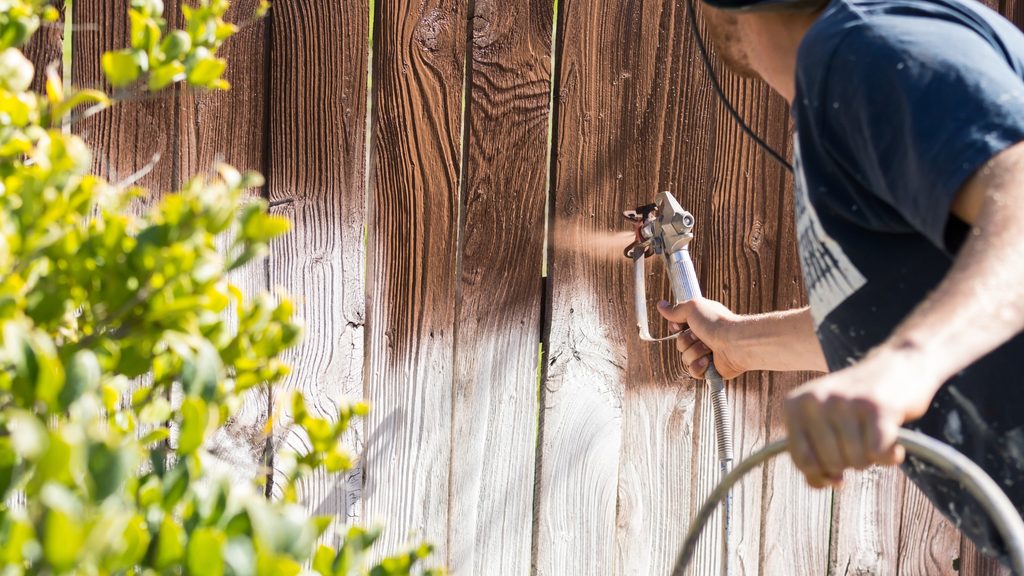
Wood requires regular attention. Every 2–3 years you should clean the fence, let it dry fully, and apply a quality exterior stain or sealer. Skipping this leads to gray weathering, cracking, warping boards, and eventually rot at the post bases. Individual boards can be replaced easily and cheaply when they fail — that’s one of wood’s underrated advantages.
For staining, a penetrating exterior stain like Ready Seal exterior wood stain soaks into the wood rather than sitting on top, which means it won’t peel and reapplication is simpler than with film-forming finishes.
Vinyl Fence Maintenance
Vinyl needs almost nothing. Hose it down when it gets dirty, scrub mildew with a mild cleaner if needed, and you’re done. It won’t rot, warp, splinter, or need painting. The main vulnerabilities are impact damage (vinyl can crack or shatter if hit hard enough) and discoloration from algae or mildew in shaded areas — both manageable.
If a vinyl post cap blows off or a section gets damaged, vinyl fence post cap replacements are inexpensive and easy to snap on. For cracks or breaks, a vinyl fence repair kit can fix minor damage without replacing a full panel.
Lifespan
A well-maintained wood fence lasts 15–20 years. Cedar and redwood last longer than pine because of their natural rot resistance. Posts are usually the first thing to fail — they sit in the ground where moisture and insects do the most damage.
Vinyl fencing is typically warranted for 20–30 years and can last even longer with minimal care. It doesn’t rot, and insects have no interest in it. The tradeoff is that when vinyl does fail it usually means replacing a full panel rather than swapping a single board.
Appearance: Which Looks Better?
This is genuinely subjective, but here’s the honest take: wood looks more natural and has a warmth that vinyl can’t quite replicate. High-quality cedar with a fresh stain is hard to beat aesthetically. It also ages in a way that many homeowners find attractive — a weathered gray cedar fence has character.
Vinyl looks clean and consistent. It won’t develop the natural variation of wood grain, and cheap vinyl can look plastic-y in a way that reads as lower-end. However, higher-end vinyl products have improved significantly and some mimic wood grain convincingly.
If curb appeal and a natural look are priorities, wood usually wins. If you want a fence that looks pristine with zero effort, vinyl wins.
Installation: Which Is Easier to DIY?
Wood Fence DIY
Wood is more forgiving for DIYers. You can cut boards to fit, nail or screw them in place, and fix mistakes easily. Setting posts in concrete is the same for both fence types — use a post level fence to keep posts plumb while the fast-setting concrete 50lb sets. A manual post hole digger handles most residential soil conditions fine; rent a power auger for rocky or clay-heavy ground.
Not sure how much concrete you need per post? Our Concrete Per Fence Post Calculator gives you the exact bag count based on your post size and frost-line depth.
Vinyl Fence DIY
Vinyl panels are pre-made and slot into posts — there’s no cutting or finishing required. That sounds easier, but vinyl is less forgiving of posts that aren’t perfectly spaced and plumb. If your post spacing is off even slightly, panels won’t fit correctly. Measure twice, set posts carefully, and use a rubber mallet to seat panels without cracking them.
Which One Should You Choose?
Choose Wood If:
- Upfront cost is your primary concern
- You enjoy periodic maintenance projects or don’t mind paying for them
- Natural aesthetics matter more than convenience
- You’re handy and want flexibility during installation
- You may want to change the look with a different stain color in the future
Choose Vinyl If:
- You want a truly low-maintenance fence for the long term
- You plan to stay in the house long enough to recoup the higher upfront cost
- You have kids or pets and want something that won’t splinter
- You prefer a consistent, clean look that doesn’t change over time
- HOA requires a specific fence appearance that vinyl meets more consistently
One Thing Most Comparison Articles Skip
Check your HOA rules before buying anything. Some HOAs restrict fence height, color, or material — and some specifically require or prohibit vinyl. Spending $3,000 on a fence your HOA makes you remove is an expensive lesson. Get written approval first.
Frequently Asked Questions About Wood Fence vs Vinyl Fence: Which Is Worth It?
Which is cheaper — wood fence or vinyl fence?
Wood is cheaper upfront. A wood privacy fence typically runs $15–$30 per linear foot installed; vinyl runs $25–$45. On a 150-foot fence that’s a difference of $1,500–$2,000 or more. Over 15–20 years the gap narrows because wood requires staining or sealing every 2–3 years, while vinyl needs almost no maintenance. If you’re thinking long-term total cost of ownership, the two options often end up closer than the sticker price suggests.
How long does a wood fence last compared to vinyl?
A well-maintained wood fence lasts 15–20 years. Cedar and redwood last longer than pine due to their natural rot resistance, but posts are typically the first thing to fail regardless of wood species. Vinyl fencing is usually warranted for 20–30 years and can outlast that with minimal care. It doesn’t rot and insects have no interest in it — the main failure mode is impact damage, which typically requires replacing a full panel rather than a single board.
Is a vinyl fence worth the extra cost?
It depends on your priorities and how long you plan to stay in the house. If you want a truly low-maintenance fence and you’ll be there long enough to recoup the higher upfront cost, vinyl is worth it. If upfront cost is your primary concern, you enjoy periodic maintenance, or natural aesthetics matter more to you, wood is the better value. Neither wins across the board — it’s a trade-off between lower initial cost with ongoing maintenance versus higher initial cost with almost none.
What is the main disadvantage of vinyl fencing?
Higher upfront cost and less flexibility if something goes wrong. Vinyl panels are pre-manufactured to specific dimensions, so if your post spacing is off during installation, panels won’t fit correctly — it’s less forgiving than wood, where you can cut boards to fit on the fly. Vinyl also can’t be stained or painted if you want to change the look later, and in cold climates it can become more brittle and vulnerable to impact damage in winter.
Do I need HOA approval before installing a fence?
Yes — always check before buying materials. Some HOAs restrict fence height, color, or material, and some specifically require or prohibit vinyl. A fence that violates HOA rules may need to be removed at your expense. Get written approval from your HOA board before committing to any fence type or style. This step takes a week or two and can save you thousands if your first choice turns out to be restricted.