
Yardtally is reader-supported. Some links on this page are affiliate links. As an Amazon Associate, Yardtally earns from qualifying purchases. See our Affiliate Disclosure.
What’s in This Guide
- The Quick Answer: Ranked by Heat and Stain Performance
- Granite: Best Raw Heat Resistance, Needs Annual Sealing
- Porcelain: Best Stain Resistance, Handles Heat Better Than Quartz
- Quartz: Best All-Around for Low-Maintenance Kitchens
- Butcher Block: Most Repairable, Worst on Both Counts
- What About Protecting Any Surface?
- Side-by-Side Comparison
- Which One Should You Choose?
- FAQ
The best countertop material for heat and stain resistance depends on how hard you actually use your kitchen — and the honest answer is that not all surfaces that look durable actually perform the same way under daily cooking conditions. I researched every major option before putting this comparison together, and what I found is that the rankings shift depending on which problem matters most to you: a hot pan set down without thinking, a turmeric spill left for an hour, or both. This guide breaks down quartz, granite, porcelain, and butcher block with real tradeoffs — no vague “it depends” answers.
The Quick Answer: Best Countertop Material Ranked by Heat and Stain Performance
If you just want the bottom line before diving into detail, here’s how the four most common countertop materials stack up:
Heat resistance (best to worst): Granite → Porcelain → Quartz → Butcher Block
Stain resistance (best to worst): Porcelain → Quartz → Granite (sealed) → Butcher Block
Granite wins on heat. Porcelain wins on stains. Quartz is the best all-around performer for low-maintenance kitchens. Butcher block is the weakest on both counts but the most repairable. Keep reading for the full breakdown.
Granite: Best Raw Heat Resistance, Needs Annual Sealing
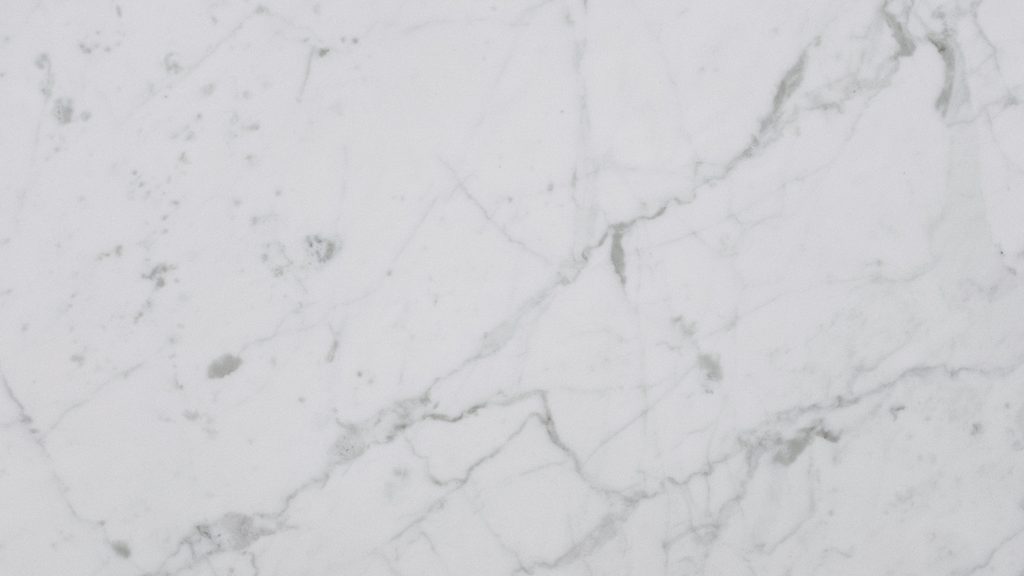
Granite is a natural igneous stone — it formed under volcanic heat, so setting a hot pan on it is genuinely not a problem. Unlike quartz, which uses resin binders that can scorch or discolor under high heat, granite handles direct contact with hot cookware without damage. For households that cook seriously and don’t want to think about trivets, granite is the most forgiving surface.
The tradeoff is porosity. Granite is a natural stone and it needs to be sealed to resist stains — typically once a year in a busy kitchen. An unsealed granite surface will absorb oil, wine, and acidic liquids over time, leaving stains that are difficult or impossible to fully remove. Sealed properly, granite is quite stain-resistant. But that maintenance step is real, and some homeowners skip it. A good granite and stone sealer applied annually keeps the surface protected and extends the life of the finish significantly.
Cost: Granite runs roughly $45–$100 per square foot installed at the entry-to-mid range, with premium slabs pushing higher. Source: HomeGuide — Quartz vs. Granite Countertops Comparison Guide
Porcelain: Best Stain Resistance, Handles Heat Better Than Quartz
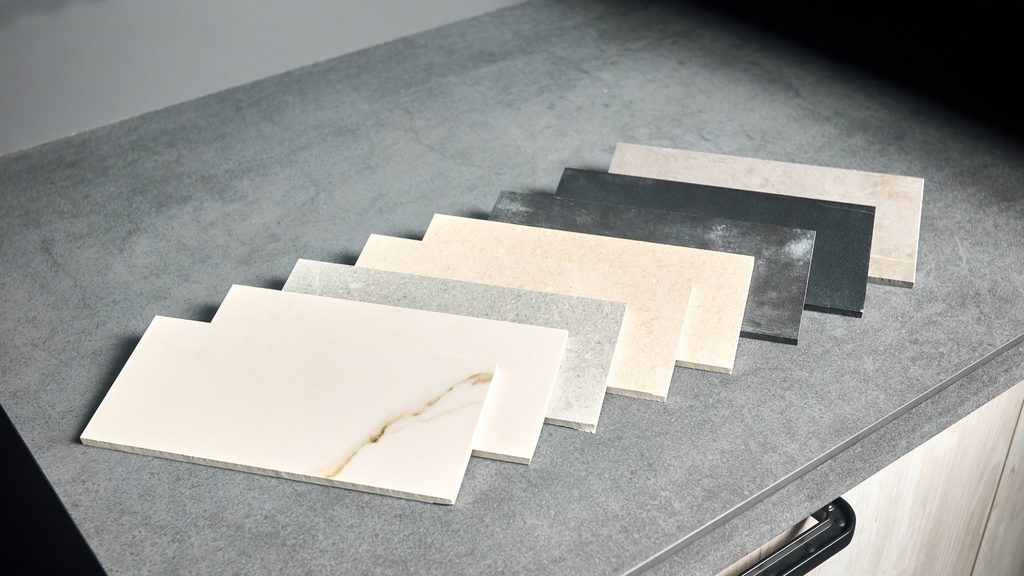
Porcelain is the most underrated option on this list. It’s non-porous by nature — no sealing ever required — which makes it the strongest performer against stains of any material here. Turmeric, wine, coffee, oil: all wipe clean without leaving a trace. And unlike quartz, porcelain handles direct heat without the resin-damage risk. It won’t discolor or crack from a hot pan the way quartz can.
The practical downsides are worth knowing. Porcelain slabs are thinner and more brittle during fabrication and installation — a dropped heavy object or a sharp edge impact can chip it in ways that granite or quartz would shrug off. It’s also less widely available than quartz or granite, meaning fewer fabricators and potentially longer lead times depending on your area.
Cost: Porcelain runs roughly $55–$120 per square foot installed, putting it in a similar range to mid-grade quartz. It’s particularly well-suited for outdoor kitchens since it’s UV-resistant and handles freeze-thaw cycles — something quartz cannot do. Source: HomeGuide — Porcelain vs. Quartz Countertops
Quartz: Best All-Around for Low-Maintenance Kitchens
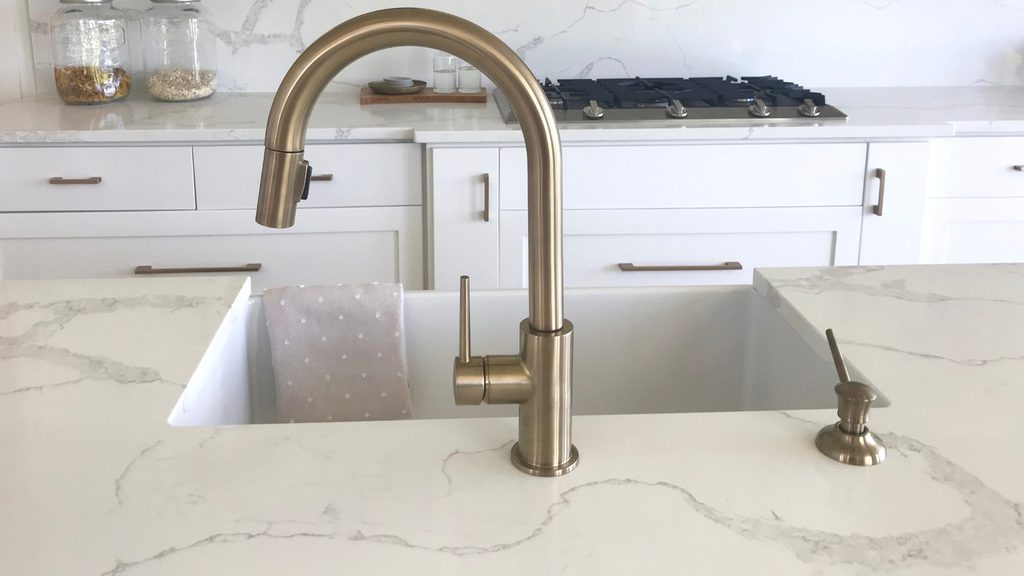
Quartz is the most popular countertop material for a reason: it’s engineered to be non-porous, consistent in appearance, and essentially maintenance-free. No sealing required, ever. Stain resistance is excellent — better than unsealed granite and far better than butcher block. For busy households that want a surface they can wipe down and forget about, quartz is hard to beat.
The significant limitation is heat. Quartz uses polymer resin binders to hold the crushed quartz together, and those resins can scorch, discolor, or crack under direct high heat. Setting a cast iron skillet fresh off the burner directly on quartz is a real risk. The damage is usually permanent and not covered by most warranties. If you cook heavily and tend to set pans down without thinking, quartz requires more discipline than granite or porcelain.
This is where a set of silicone trivet mats pays for itself — keep a few near the stove and the cooktop, and quartz holds up fine for the long term. Real-world quartz installations routinely last 25–30 years with basic care.
Cost: Quartz runs roughly $50–$150 per square foot installed depending on brand and thickness.
Butcher Block: Most Repairable, Worst on Both Counts
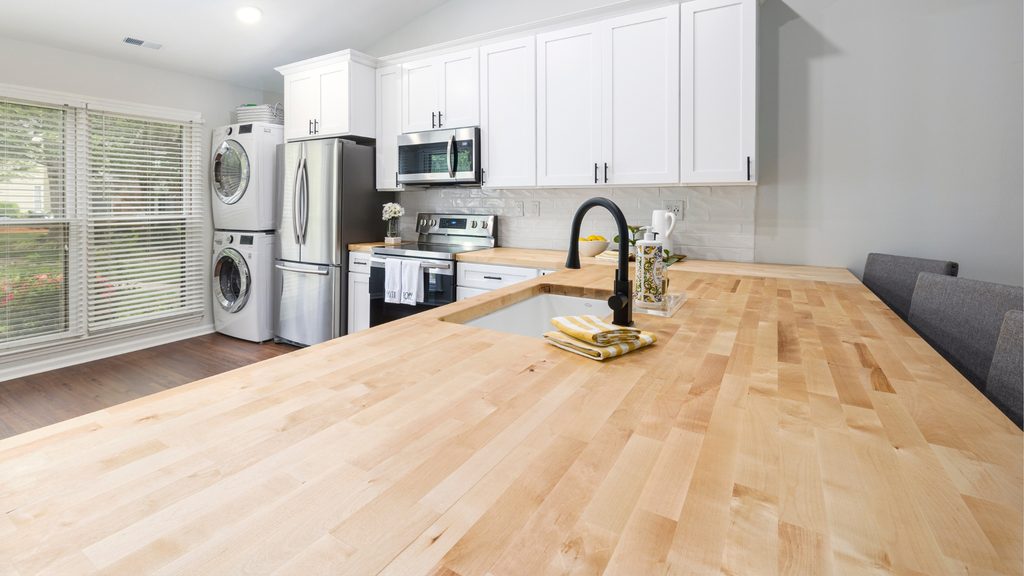
Butcher block is honest about what it is: a wood surface. It looks warm and natural, it’s significantly cheaper than stone, and it’s genuinely satisfying to work on. It’s also the weakest performer on this list for both heat and stain resistance, and I think it’s worth saying that plainly rather than burying it in qualifications.
Direct heat will scorch it. Turmeric, wine, and coffee will stain it without prompt cleanup. Standing water near the sink edge will cause swelling and eventually mold if the surface isn’t well-sealed and re-oiled regularly. This isn’t a material you install and ignore.
What redeems it is repairability. If butcher block gets scratched, stained, or scorched, you can sand it down and refinish it — something you absolutely cannot do with granite, quartz, or porcelain. A bottle of food-grade mineral oil applied monthly keeps the wood conditioned and resistant to moisture penetration. Done consistently, a butcher block surface can last 20–30 years and look better over time as it develops patina.
Butcher block works best as an island or prep area surface paired with a more durable stone countertop elsewhere — not as the primary surface surrounding the cooktop.
What About Protecting Any Surface?
Regardless of which material you choose, two habits extend countertop life across the board:
Always use trivets for hot pans — even granite and porcelain benefit from the habit, and for quartz it’s essential. A set of silicone trivet mats stored near the stove takes the guesswork out of it.
Always use a cutting board — direct knife use will scratch any surface over time, including granite. A cutting board set keeps the countertop protected and gives you a dedicated prep surface that’s easier to clean.
For stain cleanup on any surface, Bar Keepers Friend is the go-to — it handles mineral deposits, rust stains, and dried food residue without scratching most countertop finishes. Use the powder version on stone with a soft cloth, not an abrasive pad.
Side-by-Side Comparison
Here’s a quick reference table across the four materials:
Granite: Heat resistance — Excellent | Stain resistance — Good (sealed) | Maintenance — Annual sealing | Installed cost — $45–$100/sq ft
Quartz: Heat resistance — Moderate (avoid direct heat) | Stain resistance — Excellent | Maintenance — None | Installed cost — $50–$150/sq ft
Porcelain: Heat resistance — Excellent | Stain resistance — Excellent | Maintenance — None | Installed cost — $55–$120/sq ft
Butcher Block: Heat resistance — Poor | Stain resistance — Poor | Maintenance — Monthly oiling | Installed cost — $30–$80/sq ft
Which One Should You Choose?
If you cook hard and don’t want to manage trivets: granite. The heat tolerance is genuinely superior and the annual sealing is a small price to pay.
If you want the lowest maintenance surface and mostly need stain protection: quartz. Just commit to the trivet habit and it will serve you for decades.
If you want the absolute best stain resistance with solid heat tolerance and don’t mind a more limited installer selection: porcelain. It’s the strongest performer on paper and increasingly available as more fabricators get comfortable working with it.
If budget is the primary driver or you want a warm wood look for an island: butcher block. Go in knowing the maintenance requirements and it’s a perfectly reasonable choice — just pair it with a stone surface at the cooktop.
If you’re weighing a full countertop replacement versus a less expensive resurfacing option, our guide on how to resurface countertops covers the epoxy and paint kit approaches that can buy you three to five more years before committing to a full swap.
Frequently Asked Questions About Countertop Materials
Can you put a hot pan on granite countertops?
Yes — granite is a natural igneous stone that formed under volcanic
heat, so direct contact with hot cookware is not a problem. It’s the
most heat-tolerant of the common countertop materials. The issue with
granite isn’t heat — it’s porosity. An unsealed granite surface will
absorb oil, wine, and acidic liquids over time, leaving stains that
are difficult to fully remove. Sealed annually with a quality granite
sealer, granite handles both heat and stains well. If you cook heavily
and don’t want to think about trivets, granite is the most forgiving
surface for that habit.
Does quartz countertop stain easily?
No — quartz is engineered to be non-porous, which makes it one of the
strongest stain-resistant surfaces available. It never needs sealing
and wipes clean easily from most household stains. The limitation
with quartz is heat, not stains: the polymer resin binders that hold
the crushed quartz together can scorch, discolor, or crack under direct
high heat from pots and pans. Stain resistance is excellent; heat
tolerance is the trade-off. Use trivets consistently near the stove
and quartz is a durable, low-maintenance surface.
Is porcelain better than quartz for countertops?
For stain and heat resistance combined, porcelain outperforms quartz
on paper. It’s non-porous (never needs sealing), handles direct heat
without the resin-damage risk that quartz carries, and resists stains
as well or better than quartz. The practical trade-offs: porcelain
slabs are more brittle during fabrication and installation, are less
widely available than quartz, and cost about the same. For a standard
indoor kitchen where heat and stain protection are the priority,
porcelain is the strongest performer. Quartz is easier to source and
install in most markets, which is why it’s more commonly chosen.
How long do butcher block countertops last?
With consistent care — monthly oiling with food-grade mineral oil
and prompt cleanup of spills — butcher block can last 20 to 30 years
and often looks better over time as it develops a natural patina. The
key advantage is repairability: scratches, stains, and scorches can
be sanded out and the surface refinished, which is not possible with
granite, quartz, or porcelain. Without regular oiling, moisture will
eventually cause swelling, warping, and mold at seams and edges.
Butcher block is a high-maintenance surface that rewards consistent
care and punishes neglect.
What countertop material is best for outdoor kitchens?
Porcelain is the clear answer for outdoor kitchens. It’s UV-resistant,
handles freeze-thaw temperature cycles without cracking, and requires
no sealing in an outdoor environment. Granite is also outdoor-suitable
but requires sealing to prevent moisture absorption. Quartz is not
recommended for outdoor use — the resin binders are vulnerable to UV
degradation and temperature extremes, and most quartz manufacturers
void warranties for outdoor applications. Butcher block is not suitable
for outdoor use without significant weatherproofing, and even then
will require much more frequent maintenance than stone alternatives.