
Yardtally is reader-supported. Some links on this page are affiliate links. As an Amazon Associate, Yardtally earns from qualifying purchases. See our Affiliate Disclosure.
If you want to know how to attract pollinators to your garden, the answer starts with one principle: grow what they need, when they need it. Bees, butterflies, and beneficial insects aren’t randomly distributed across neighborhoods — they concentrate where food, water, and shelter are available from early spring through fall. Gardens that check all three boxes become destinations. Gardens that check one or two see occasional visitors that don’t stick around.
This guide covers the full picture — which plants draw which pollinators, how to extend your bloom season so there’s always something flowering, the beneficial insects worth attracting beyond just bees and butterflies, and the garden habits that either help or hurt the populations you’re trying to build.
What’s in This Guide
- Why Pollinators Matter in a Home Garden
- Start with a Variety of Flowering Plants
- The Best Plants to Attract Specific Pollinators
- Provide Water
- Provide Shelter and Nesting Sites
- What to Stop Doing
- How This Connects to Companion Planting
- FAQ
Why Pollinators Matter in a Home Garden
Pollinators are responsible for roughly one in three bites of food we eat. Source: USDA NRCS — Insects and Pollinators. In a home vegetable garden, that dependency is direct and immediate — cucumbers, squash, tomatoes, peppers, and most fruit-bearing plants require pollination to set fruit. A garden without adequate pollinator activity produces noticeably less fruit, and some plants — particularly squash and cucumbers — may fail to produce at all if pollination is poor.
Beyond yield, pollinators support the broader garden ecosystem. Many beneficial predator insects — lacewings, hoverflies, parasitic wasps — feed on nectar and pollen as adults before laying eggs near aphid colonies. Attracting these insects to your garden means attracting their larvae, which are voracious pest predators that reduce the need for any intervention on your part.
Start with a Variety of Flowering Plants
The single most effective thing you can do to attract pollinators is grow a diverse mix of flowering plants that bloom at different times throughout the season. A garden that has something in bloom from April through October will support pollinator populations continuously — and continuous presence is what builds a thriving insect community rather than occasional visits.
Early Season Bloomers (April–May)
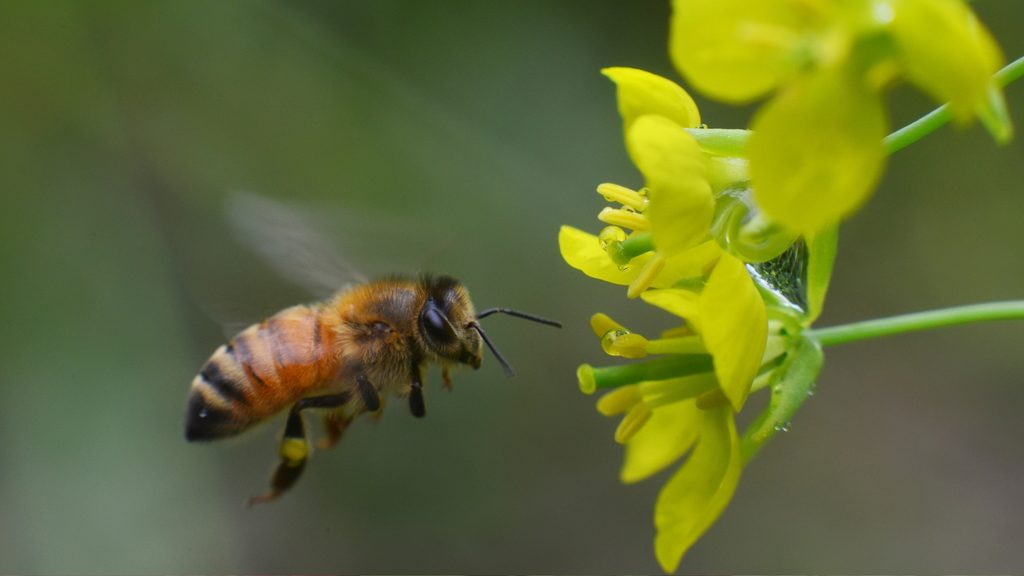
Early pollinators — particularly native bees that emerge before honeybees are active — need food sources before most gardens are planted. Crocus, hellebore, bleeding heart, and early-flowering herbs like chives and borage bridge the gap between winter and the main growing season. Dandelions, often treated as weeds, are one of the most important early nectar sources for bees — something worth keeping in mind before reaching for the herbicide.
Mid-Season Bloomers (June–August)
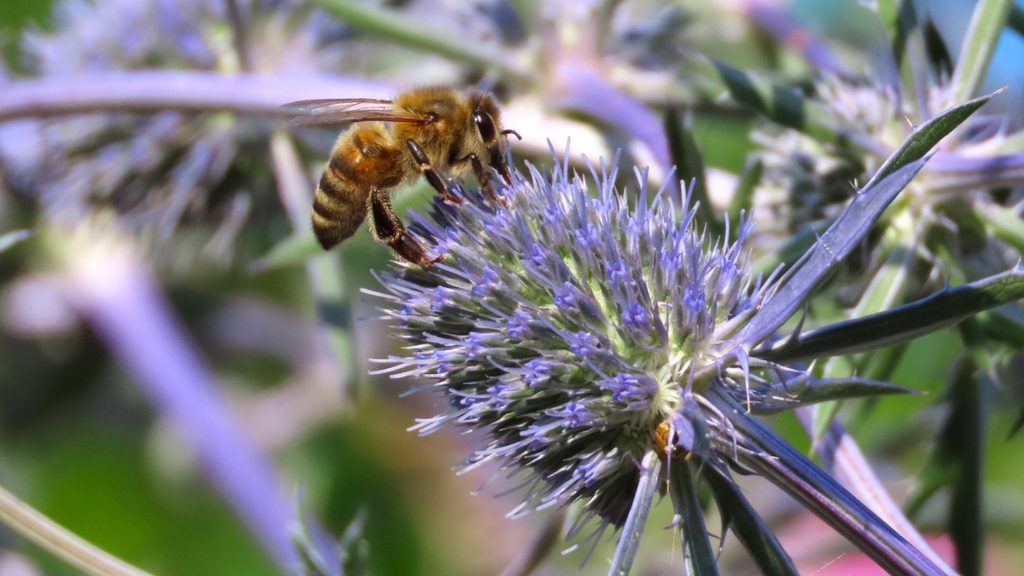
This is the peak pollinator season and the easiest window to fill. Lavender, echinacea, black-eyed Susan, bee balm, zinnias, sunflowers, and most vegetable flowers all bloom during this period. Marigolds planted at garden borders serve double duty — they attract pollinators and deter soil pests. Herbs allowed to flower — basil, dill, fennel, cilantro — are magnets for beneficial wasps and hoverflies that prey on aphids and caterpillars.
Late Season Bloomers (September–October)
Late-season blooms are critically important for bees and butterflies preparing for winter or migration. Goldenrod — often blamed for hay fever but actually pollinated by insects, not wind — is one of the most valuable late-season nectar plants in North America. Asters, sedum, and late-blooming echinacea keep pollinators fed into fall when most gardens have stopped producing.
The Best Plants to Attract Specific Pollinators
Bees (Native and Honeybees)
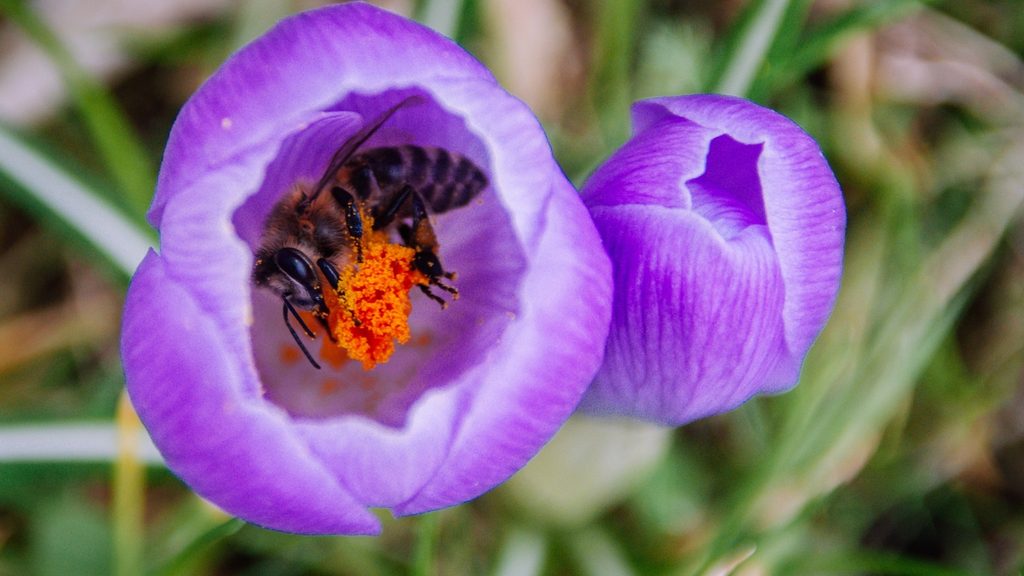
Bees favor blue, purple, yellow, and white flowers with accessible nectar. Lavender, borage, phacelia, sunflowers, clover, echinacea, and most members of the mint family are reliable bee attractors. Native bees — which are often more effective pollinators than honeybees for specific crops — favor native wildflowers over cultivated varieties. If possible, include some native species alongside garden cultivars.
One important note: many modern cultivated flower varieties have been bred for appearance at the expense of nectar and pollen production. A double-petaled zinnia looks impressive but offers pollinators little. Single-petaled, open-centered flowers are almost always more pollinator-friendly than densely double varieties.
Butterflies
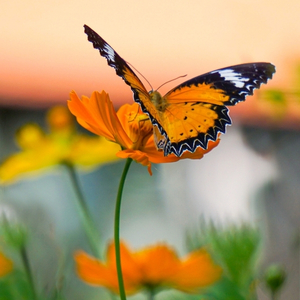
Butterflies need two things from a garden: nectar plants for adults and host plants for caterpillars. Planting only nectar sources brings adult butterflies through briefly — providing host plants keeps them reproducing in your garden. Milkweed is the host plant for monarch butterflies and one of the most impactful additions a home gardener can make. Parsley, dill, and fennel host swallowtail caterpillars. Native violets host fritillary butterflies.
For nectar, butterflies favor flat-topped or clustered flowers with good landing surfaces — lantana, butterfly bush, zinnias, coneflowers, and Joe-Pye weed are all strong choices. Butterflies also need sun-warmed flat stones or bare patches of ground where they can bask and warm their wings.
Beneficial Predator Insects
Lacewings, hoverflies, ground beetles, and parasitic wasps are the workhorses of biological pest control in a garden. As larvae, they consume aphids, caterpillars, whiteflies, and other garden pests in significant numbers. As adults, they feed on nectar and pollen — which means the same flowers that attract bees and butterflies also attract these beneficial predators.
Flat-topped flowers are particularly effective for parasitic wasps and hoverflies — dill, fennel, yarrow, Queen Anne’s lace, and cilantro allowed to flower all draw these insects reliably. Ground beetles overwinter in mulch and leaf litter, so leaving some garden areas undisturbed through winter provides critical habitat for them.
Ladybugs
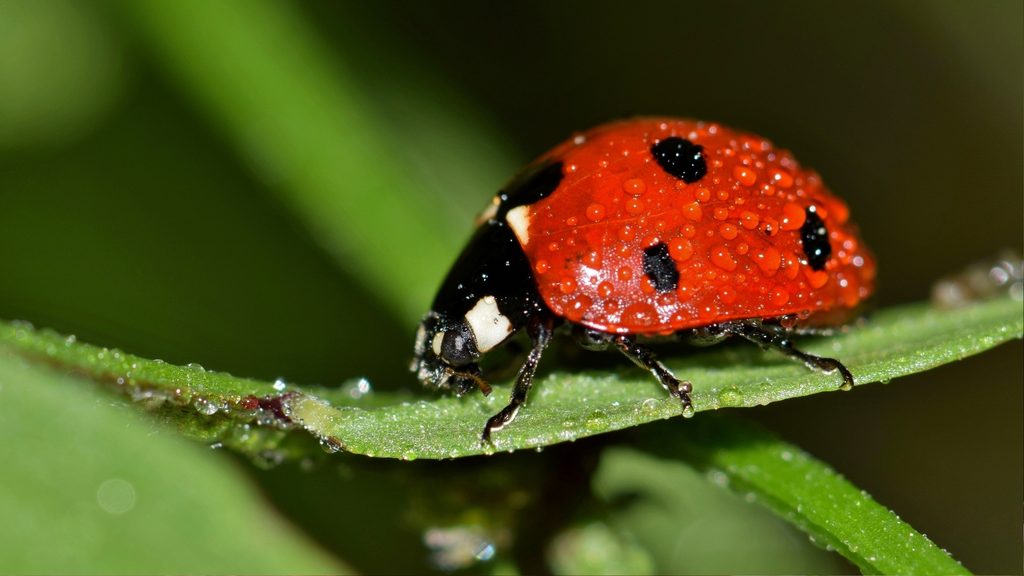
Ladybugs are perhaps the most recognizable beneficial insect in the garden — a single adult can consume 50 to 60 aphids per day, and their larvae are equally voracious. They’re attracted to pollen-rich flowers — marigolds, calendula, dill, and fennel — and they overwinter in leaf litter and dense plantings. Avoiding broad-spectrum pesticides is the single most important thing you can do to support ladybug populations, since most pesticides kill them as readily as the aphids they eat.
Provide Water
Pollinators need water, and most gardens don’t provide it in a usable form. A birdbath is too deep for small bees and hoverflies — they’ll drown trying to access it. What works is a shallow dish, tray, or saucer filled with water and pebbles or marbles that give small insects a safe landing surface. Place it in a sheltered spot near flowering plants and change the water every two to three days to prevent mosquito breeding.
Butterflies engage in a behavior called puddling — gathering at shallow puddles or wet sand to drink water and absorb minerals. A patch of consistently moist sand in a sunny spot serves this purpose and draws butterflies that might otherwise pass through without staying.
Provide Shelter and Nesting Sites
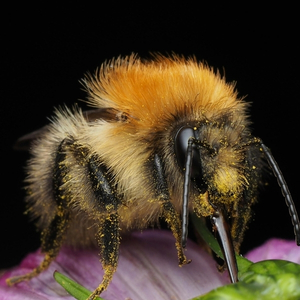
Most native bees are ground nesters — roughly 70% of North American bee species nest in bare or sparsely vegetated soil rather than hives. A patch of undisturbed, loose, well-drained soil in a sunny area gives ground-nesting bees somewhere to establish. Avoid heavy mulching in every area of the garden — a few patches of exposed soil are more valuable to native bees than a perfectly mulched bed.
Mason bees and leafcutter bees are cavity nesters that use hollow stems, holes in wood, and similar structures. A simple bee house — a bundle of hollow bamboo tubes or a drilled block of untreated wood — provides nesting habitat for these highly effective pollinators. Place it in a sunny, sheltered spot facing southeast, at least three feet off the ground.
What to Stop Doing
Attracting pollinators is as much about removing obstacles as adding plants. Several common garden habits actively suppress the populations you’re trying to build:
Stop Using Broad-Spectrum Pesticides
This is the single most damaging thing most gardeners do to pollinator populations. Broad-spectrum pesticides — including many organic options like pyrethrin — kill beneficial insects as effectively as pest insects. If pest pressure requires intervention, use targeted, low-residual products and apply them in the evening when pollinators are not active. Never spray a plant in bloom.
Stop Deadheading Everything
Leaving spent flower heads on plants through fall and winter provides seed for birds and overwintering habitat for beneficial insects. A tidied-up garden in November is a less hospitable place than one with some structure left standing. Cut back in late winter rather than fall where possible.
Stop Removing All Leaf Litter
Many beneficial insects — ground beetles, lacewing eggs, native bee larvae — overwinter in leaf litter. A thin layer of leaves left under shrubs and in garden corners through winter is habitat, not mess. Rake the beds in spring once temperatures have warmed consistently above 50°F.
How This Connects to Companion Planting
Many of the best pollinator plants are also the best companion plants — marigolds, borage, dill, and fennel appear on both lists for good reason. Integrating pollinator plants into your vegetable garden rather than keeping them separate maximizes their benefit. Our companion planting guide covers the best vegetable pairings and which plants naturally deter pests while supporting the beneficial insect population you’re building here.
If you’re starting from scratch with a new garden bed, our guide on how to build a raised garden bed covers soil preparation, irrigation, and bed construction — the foundation that makes everything else in this article more effective.
Frequently Asked Questions About Attracting Pollinators to Your Garden
What is the single best thing I can do to attract pollinators?
Grow a diverse mix of flowering plants with something in bloom from early
spring through fall. Pollinators concentrate where food is continuously
available — a garden with a long bloom season supports a resident population
rather than occasional visitors. If you can only do one thing, add marigolds
at the borders of every bed: they bloom all season, attract bees and
hoverflies reliably, deter soil pests, and cost almost nothing. If you
can do two things, add a shallow water dish with pebbles near the flowering
plants. Food and water together are the minimum conditions for a pollinator
destination garden.
What plants attract the most pollinators?
Lavender, echinacea, borage, sunflowers, and marigolds consistently top
the list for attracting the widest variety of pollinators — bees, butterflies,
hoverflies, and parasitic wasps. For attracting monarch butterflies specifically,
milkweed is irreplaceable — it’s the only host plant monarch caterpillars
can eat. For beneficial predator insects, flat-topped flowers like dill,
fennel, yarrow, and cilantro allowed to go to flower are the most effective.
Planting a mix of types — open-centered flowers for bees, flat-topped umbels
for wasps and hoverflies, and host plants for butterfly larvae — covers
the most ground with the fewest additions.
Do I need to stop using all pesticides to attract pollinators?
Broad-spectrum pesticides — yes. They kill beneficial insects as effectively
as pest insects and are the single most damaging habit for pollinator
populations. Targeted, low-residual products applied in the evening when
pollinators are not active, and never sprayed on plants in bloom, are a
more nuanced approach if pest pressure requires intervention. Organic
options like pyrethrin are often assumed to be safe — they’re not. Pyrethrin
is also a broad-spectrum insecticide and kills pollinators readily. The
key question for any product is whether it’s broad-spectrum (kills most
insects) or targeted (affects specific pest types) — not whether it’s
labeled organic.
How do I attract pollinators to a small garden or container garden?
The same principles apply at any scale. A single container of lavender,
a pot of borage, or a window box of mixed annuals (zinnias, marigolds,
alyssum) will draw pollinators if it’s in a sunny spot. Small gardens
benefit from vertical space — a climbing vine of sweet peas or nasturtiums
adds flower mass without taking up ground footprint. A shallow water dish
on the patio provides what most urban gardens are missing. The limiting
factor for small spaces is usually bloom continuity — choose plants with
long flowering periods or a succession of spring, summer, and fall bloomers
rather than plants that flower briefly and stop.
Why aren’t there any bees in my garden?
Three common reasons: nothing is blooming in the right color range or
form for bees (they favor blue, purple, yellow, and white, single-petaled
flowers), there’s no water source nearby, or pesticide use in the area
has suppressed the local population. Start with the plants — if everything
in the garden is red or double-petaled (which offers little accessible
nectar or pollen), that alone explains the absence. Add a shallow water
dish with pebbles. If you’re in a neighborhood with heavy pesticide use
on surrounding properties, that creates a regional suppression effect
that’s harder to overcome — but a food-rich, chemical-free garden still
attracts more activity than one without those features.