
Yardtally is reader-supported. Some links on this page are affiliate links. As an Amazon Associate, Yardtally earns from qualifying purchases. See our Affiliate Disclosure.
A fall yard cleanup checklist is the difference between a lawn that bounces back strong in spring and one that spends April recovering from problems you could have prevented in October. I work through the same set of tasks every fall, and the order matters — some things need to happen before others to be effective. This guide is organized the way I actually do it: lawn first, then garden beds, then drainage, then tools and equipment.
What’s in This Guide
- The Lawn
- Garden Beds and Plants
- Trees and Shrubs
- Drainage and Gutters
- Tools and Equipment
- Outdoor Living Spaces
- Frequently Asked Questions
The Lawn
The lawn is the first priority because most fall lawn tasks have timing windows — miss them and you wait a full year. Work through these in order.
Keep Mowing Until the Grass Stops Growing
Most homeowners stop mowing too early. Keep mowing until the grass actually stops growing — usually after the first hard frost, which is mid-to-late October for most of the US and into November for warmer zones. For your final cut of the season, drop the blade slightly lower than your normal summer height — around 2 to 2.5 inches for cool-season grasses. This shorter height prevents the grass from matting under snow, which creates conditions for snow mold to develop over winter.
Rake or Mulch Leaves — Don’t Leave Them
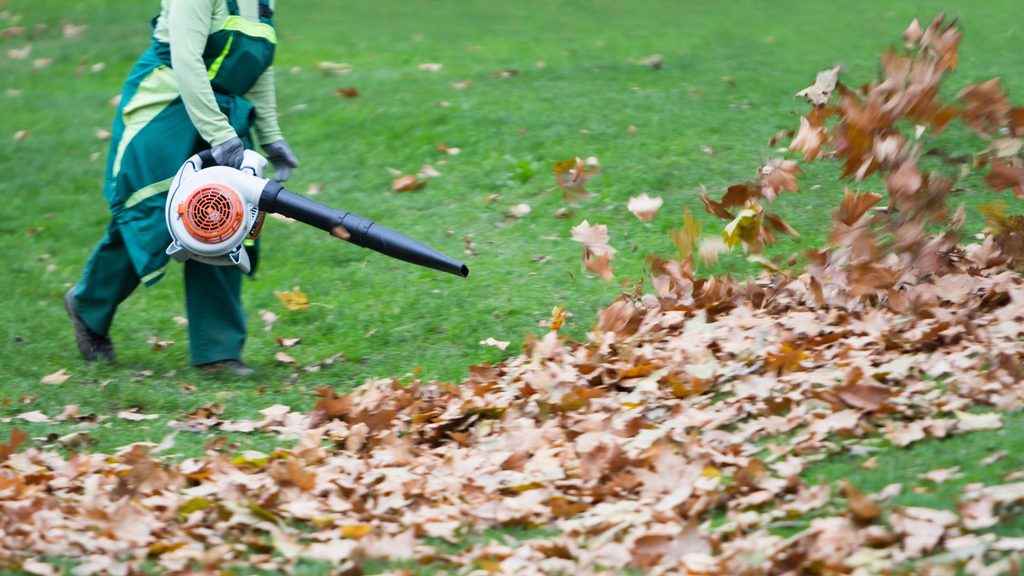
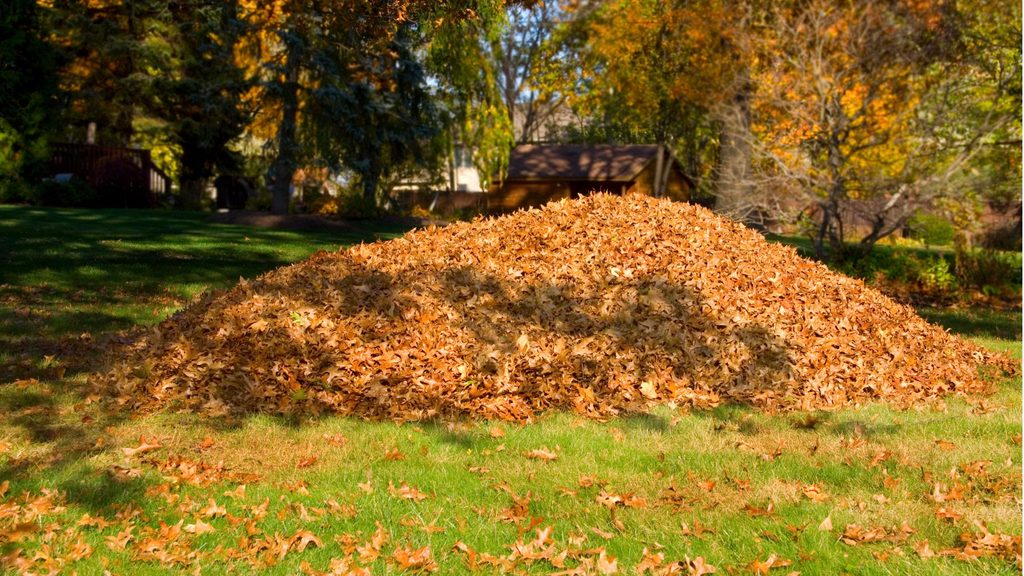
A thick layer of fallen leaves left on your lawn over winter smothers the grass beneath it. Leaves block sunlight, trap moisture, and create the perfect environment for fungal diseases. You have two options: rake and remove them, or mulch them with a mulching mower.
Mulching is the better choice when the leaf layer isn’t too thick — a mulching mower shreds leaves into fine pieces that fall between grass blades, decompose over winter, and return nutrients to the soil. When the leaf accumulation is heavy, rake first to thin it out before mulching, or rake entirely and compost the leaves or bag them for municipal pickup. Either way, get them off the lawn before the first sustained freeze.
For the full method including what to do with heavy accumulations, see our guide on Mulching Leaves Into Your Lawn (The Right Way to Do It).
Aerate If You Haven’t Already
Fall is the best time to aerate cool-season lawns — the soil is still warm enough for root growth, and the cooler temperatures mean less stress on the grass during recovery. Aeration pulls small plugs of soil from the lawn, relieving compaction and opening channels for water, air, and nutrients to reach the root zone. If you didn’t aerate in early fall, get it done before the ground freezes.
For the full process including timing and equipment options, see our guide on How to Dethatch a Lawn — When, Why, and How to Do It.
Overseed Thin or Bare Areas
Fall is the ideal overseeding window for cool-season grasses like tall fescue, Kentucky bluegrass, and perennial ryegrass. Soil temperatures are still warm enough for germination, air temperatures are cooler, and the reduced competition from weeds gives new seedlings a better chance to establish before winter. Aim to overseed at least 6 weeks before your first expected hard frost so the grass has time to establish before the ground freezes.
For the full timing, prep, and aftercare process, see our guide on How to Overseed a Lawn — Timing, Prep, and Aftercare.
Apply Fall Fertilizer
A fall fertilizer application is one of the highest-return lawn care tasks you can do. Late September to mid-October is the window for most cool-season grasses — the grass is still actively growing and storing energy in its roots for the winter. A slow-release fertilizer with higher potassium helps harden roots and improve cold tolerance. Don’t skip this step: grass that goes into winter well-fed comes out of dormancy faster in spring.
Treat Weeds While They’re Still Active
Fall is actually a better time to treat broadleaf weeds like dandelions than spring. In fall, weeds are actively moving nutrients down into their roots to prepare for winter — which means a post-emergent herbicide applied now travels deep into the root system rather than just killing the top growth. Apply a broadleaf herbicide on a dry day when temperatures are above 50°F and rain isn’t in the forecast for 24 hours.
For product recommendations and application tips, see our guide on How to Get Rid of Dandelions for Good.
Garden Beds and Plants
Clear Out Dead Annuals and Vegetable Gardens
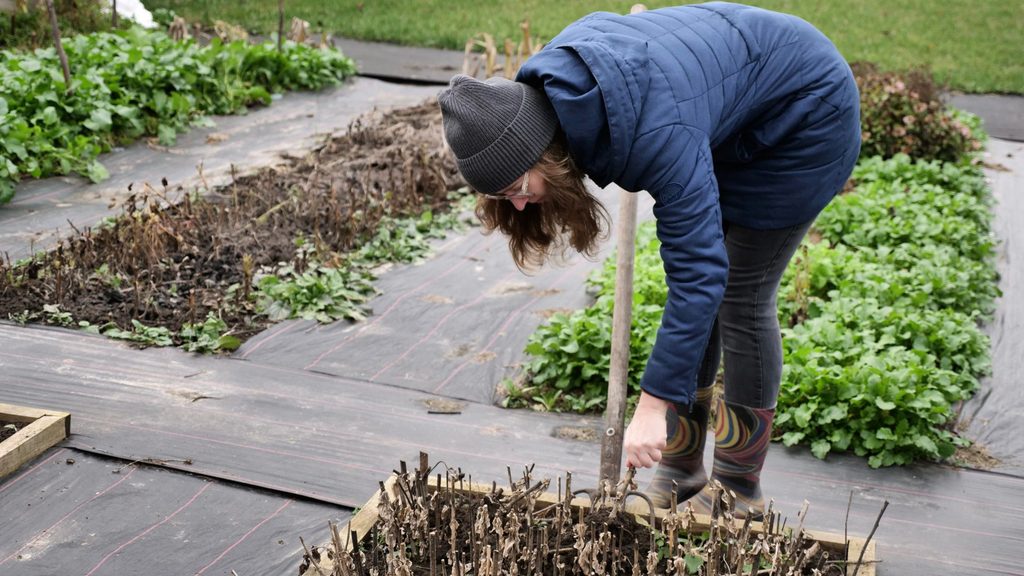
Pull spent annuals and the remains of your vegetable garden once they’ve stopped producing. Don’t compost plants that showed signs of disease during the growing season — bag those and dispose of them. Disease pathogens can survive composting and reinfect next year’s garden if the pile doesn’t reach high enough temperatures to kill them. Clean, healthy plant material is fine to compost.
Cut Back Perennials — But Not All of Them
Perennials that have finished blooming can be cut back to a few inches above the ground in fall. However, don’t cut everything: plants with seed heads — like echinacea, black-eyed Susans, and ornamental grasses — provide food for overwintering birds and beneficial insects. Leave those standing through winter and cut them back in early spring before new growth starts.
Add Mulch to Garden Beds
A 2 to 3 inch layer of mulch over garden beds before the ground freezes insulates plant roots from freeze-thaw cycles that can heave shallow-rooted plants out of the ground. Apply mulch after the ground has started to cool but before it freezes solid — late October to early November in most climates. Keep mulch a few inches away from plant stems and tree trunks to prevent rot.
For depth guidelines by application type, see our guide on How Deep Should Mulch Be?
Plant Spring Bulbs
Fall is the only window to plant spring-blooming bulbs like tulips, daffodils, and crocuses. They need a cold dormancy period to bloom properly, which means they go in the ground in fall and do their work underground all winter. Plant bulbs 2 to 3 times as deep as their diameter, pointy side up, in well-draining soil. In areas with heavy clay — which describes much of the Midwest — amend the planting hole with a handful of coarse sand to prevent rot.
Trees and Shrubs
Prune Dead or Damaged Branches
Late fall is a good time to prune dead, damaged, or crossing branches from deciduous trees and shrubs — once leaves have dropped, the branch structure is easier to see and the tree is dormant, reducing stress from pruning. Focus on anything that could be a hazard (branches hanging over rooflines, power lines, or walkways) and any wood that’s clearly dead or diseased. Make clean cuts just outside the branch collar — the slight swelling where the branch meets the trunk — so the wound can close properly.
One important exception: do NOT prune spring-blooming shrubs like lilac, forsythia, and azalea in fall. These set their flower buds during the summer for the following spring — fall pruning removes those buds. Prune spring bloomers right after they finish flowering in spring.
Wrap Young Trees Against Winter Damage
Young trees with thin bark — particularly newly planted trees and ornamentals like Japanese maples — can suffer sunscald and frost cracking over winter when temperature swings cause the bark to expand and contract rapidly. Wrap the trunk with a light-colored tree wrap from the base up to the lowest branch in late fall, and remove it in early spring. This is most important for the first two to three years after planting.
Drainage and Gutters
Clean Your Gutters
Wait until most of the leaves have fallen — usually late October to early November — before cleaning gutters. Cleaning them too early means doing it twice. Clogged gutters in winter cause ice dams, which force water under your shingles and into your walls and ceiling. Clear all debris from gutters and downspouts, then run water through them to confirm they’re flowing freely and draining away from the foundation.
For the full process including safety tips and what to do with downspouts, see our guide on How to Clean Gutters (The Right Way, Start to Finish).
While you’re on the gutters, confirm that your downspouts are directing water at least 4 to 6 feet away from the foundation. Winter and early spring snowmelt is one of the highest-volume water events your yard handles all year — downspouts that drain against the foundation can contribute to basement water intrusion and foundation settling over time. For options and installation, see our guide on How to Extend Downspouts Away From Your House.
Note Any Drainage Problem Areas
Fall is a good time to walk your yard after a rain event and note where water pools or drains slowly. Fixing drainage problems is easier to plan for over winter than to deal with in spring when the ground is saturated. Low spots, areas near the foundation that stay wet, and spots where grading has settled are all candidates for attention in early spring. See our guides on How to Fix a Low Spot in Your Yard and How to Grade a Yard for Drainage for where to start.
Winterize Your Irrigation System
If you have an in-ground irrigation system, it needs to be winterized before the first hard freeze. Water left in the pipes and heads will expand when it freezes, cracking PVC pipe and destroying heads. The standard method is a compressed air blowout — run a compressor through each zone to force all remaining water out of the system. Many homeowners hire this out because the equipment and technique matter; a botched blowout can damage the system. For the full DIY process, see our guide on How to Winterize Your Sprinkler System.
Tools and Equipment
Winterize Your Lawn Mower
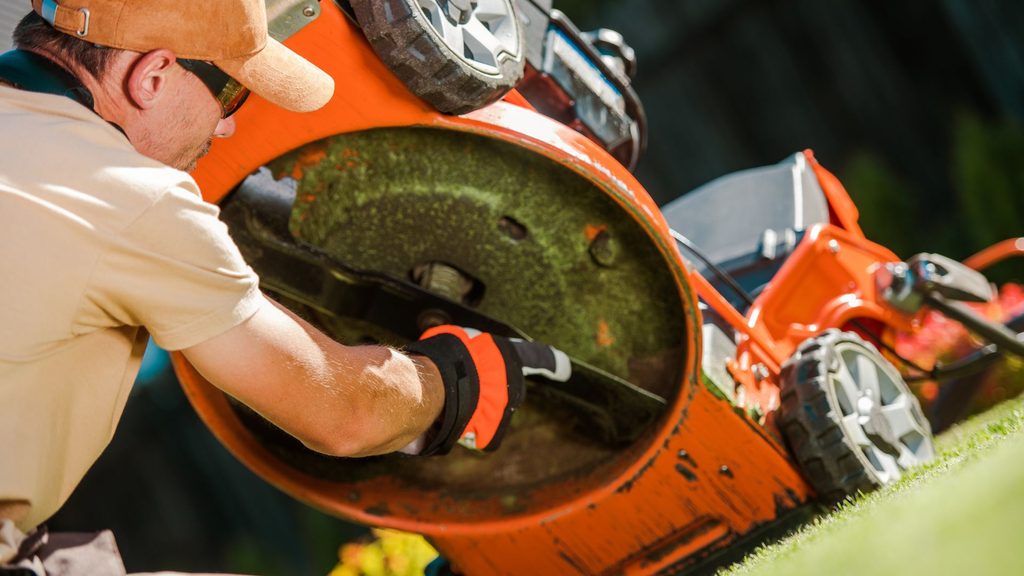
A lawn mower that goes into storage at the end of the season with old fuel in the tank is a lawn mower that may not start in spring. Ethanol-blended gasoline degrades in as little as 30 days and leaves gummy deposits in the carburetor. Either run the mower until the tank is empty, or add a fuel stabilizer to the tank and run the engine for a few minutes to circulate it through the fuel system. Also: change the oil, clean or replace the air filter, and sharpen or replace the blade if it’s dull.
Drain and Store Garden Hoses
Water left in garden hoses over winter can freeze, expand, and crack the hose — or worse, freeze back into an outdoor spigot and crack the pipe behind the wall. Disconnect all hoses from spigots, drain them completely, and store them coiled in a garage or shed where they won’t freeze. While you’re at it, shut off the interior valve to outdoor spigots if your home has one, and open the exterior spigot to let any remaining water drain out.
Clean and Store Garden Tools
Garden tools that go into storage dirty come out rusty. Knock soil off shovels, rakes, and trowels, then wipe metal surfaces with a lightly oiled rag before storage. A thin coat of oil prevents rust over the winter months. Sharpen any bladed tools — shovels, hoes, edgers — so they’re ready to go in spring without a sharpening session eating into your first good weather weekend.
Store Fertilizers and Chemicals Properly
Lawn fertilizers, herbicides, and pesticides stored in unheated garages or sheds over winter can be damaged by freeze-thaw cycles. Liquid products in particular can separate or lose effectiveness when frozen. Move sensitive products to a climate-controlled space, or check the label for storage temperature requirements. Most granular fertilizers are fine in a sealed container in a dry location as long as they don’t get wet.
Outdoor Living Spaces
Store or Cover Outdoor Furniture
Patio furniture left outside over winter — especially cushions and fabric — absorbs moisture, grows mildew, and degrades significantly faster than furniture stored properly. Bring cushions and fabric pieces indoors. For metal and plastic furniture, either store it in a garage or shed, or cover it with a breathable, waterproof furniture cover. Breathable covers allow moisture to escape; plastic tarps trap moisture underneath and can cause as much damage as leaving furniture exposed.
Clean and Cover the Grill
Give the grill a thorough cleaning before covering it for the season — grease buildup over winter becomes a fire hazard and can attract pests. Clean the grates, burners, and grease trap. For gas grills, turn off the propane at the tank and disconnect the regulator. Cover with a grill cover designed for your model and store in a sheltered location if possible.
Drain and Store Water Features
Bird baths, fountains, and decorative water features need to be drained before the first hard freeze. Water that freezes inside a concrete or ceramic basin expands with enough force to crack it. Drain completely, tip birdbaths upside down or bring them indoors, and cover fountain basins if they can’t be moved.
Frequently Asked Questions About Fall Yard Cleanup
When should I start fall yard cleanup?
Mid-September is the right time to start lawn tasks like fertilizing, overseeding, and weed treatment — these have timing windows that close as temperatures drop. Leaf cleanup and garden bed work happens through October as plants die back and leaves fall. Gutter cleaning and tool storage are the last items on the list, typically late October to early November after most leaves have dropped.
Do I need to rake leaves if I have a mulching mower?
Not always — it depends on the volume. A thin to moderate layer of leaves can be mulched directly into the lawn and will decompose over winter, returning nutrients to the soil. A thick accumulation — leaves more than a few inches deep, or so dense that the grass is completely covered — needs to be raked first. Mulching a heavy layer just pushes the problem down rather than solving it.
Is fall or spring a better time to fertilize?
Fall, by a significant margin. Cool-season grasses are actively storing energy in their roots in fall, which means a fall fertilizer application goes directly into root reserves that fuel spring green-up. Spring fertilizer encourages top growth at the expense of root development. If you only fertilize once a year, fall is the application that matters most.
Should I aerate in fall or spring?
Fall for cool-season grasses — the soil is still warm enough for root growth after aeration, and the timing aligns with overseeding and fertilizing for maximum benefit. Spring aeration is better for warm-season grasses like Bermuda and zoysia, which are just coming out of dormancy and can recover and fill in quickly. Aerating a cool-season lawn in spring stresses it right as it’s trying to put on new growth.
What happens if I skip fall yard cleanup?
A few missed tasks create manageable setbacks. Skipping leaf removal leads to dead, matted patches under wherever leaves accumulated. Skipping fall fertilizer means slower green-up in spring and a less vigorous lawn entering the growing season. Skipping irrigation winterization risks cracked pipes and destroyed heads that need replacement before spring watering. The lawn will survive, but it will spend the first weeks of spring recovering from preventable damage rather than growing.
Can I plant grass seed in fall?
Yes — for cool-season grasses, fall is actually the best seeding window. Aim to seed at least 6 weeks before your first expected hard frost to give new grass time to germinate and establish a minimal root system before dormancy. Seed planted too late may germinate but won’t have time to root deeply enough to survive winter. In most of the Midwest and Northeast, the window is mid-August through mid-October.
Sources & Further Reading
- University of Missouri Extension — Lawn Care Calendar: https://extension.missouri.edu/publications/g6705
- Utah State University Extension — Fall Yard Tasks: https://extension.usu.edu/news_sections/gardening/fall-yard-tasks.php